
How Warm-Ups Help Prevent Muscle Stiffness After Exercise
If you have ever powered through a tough workout and then struggled to get out of bed the next morning, you already understand how muscle stiffness after exercise can disrupt your routine. That tight, sore, and restricted feeling in your legs, back, shoulders, or arms is commonly linked to delayed onset muscle soreness (DOMS), which typically develops 12 to 24 hours after intense physical activity. Millions of Americans experience this every week — from casual gym-goers and 5K runners to adults simply trying to stay mobile and healthy as they age. One of the most effective yet often overlooked strategies for preventing stiff muscles all over the body is a structured warm-up. A proper warm-up increases blood flow, raises intramuscular temperature, improves neuromuscular activation, and enhances joint mobility, all of which reduce the risk of tightness, strains, and post-exercise discomfort. However, when stiffness progresses beyond mild soreness such as in cases of acute back pain, neck and shoulder tension, muscle spasms, sprain or strain injuries, post-surgical muscle discomfort, or muscle stiffness caused by heavy physical work, medical intervention may be considered. In such situations, physicians sometimes prescribe Pain O Soma 500mg, a muscle relaxant formulated to help manage acute musculoskeletal pain by reducing muscle spasms and improving mobility. In this blog, we will examine why warm-ups are physiologically essential, what actually causes persistent muscle tightness, and when supportive treatment options may become appropriate.
What Is Muscle Stiffness — And Why Does It Happen?
Before we talk about warm-ups, let us get a clear picture of what we are dealing with. Muscle stiffness meaning, in the most basic sense, refers to a condition where your muscles feel difficult to move, tight, or resistant to stretching. This can range from mild tightness after a workout to a more intense sensation of muscle tightness that limits your daily activities.
The sensation of muscle tightness typically occurs due to microscopic tears in muscle fibers caused by intense or unfamiliar physical activity. This process, known as delayed onset muscle soreness (DOMS), usually peaks around 24 to 72 hours after exercise. However, skipping a warm-up before exercise dramatically increases the risk and intensity of this soreness.
Another related concern is muscle rigidity, which is a more prolonged and intense form of stiffness. While post-exercise tightness is generally harmless and temporary, persistent muscle rigidity could be a sign of an underlying condition that warrants medical attention. Many people also ask: what are stiff legs a sign of? In most cases, stiff legs after exercise are simply your body adapting to physical stress. But if the stiffness is severe, one-sided, or does not resolve within a few days, it is worth speaking with a healthcare professional.
What Causes Tight Muscles All Over the Body?
A lot of Americans report that their muscles feel tight not just after exercise, but throughout the day. So what causes tight muscles all over body? Several factors can contribute to this widespread tightness. Dehydration is a major culprit — when your muscle cells lack adequate water, they contract more easily and recover more slowly. Poor sleep is another big factor, as the body primarily repairs muscle tissue during deep sleep cycles. Chronic stress causes the nervous system to keep muscles in a state of near-constant contraction, leading to widespread muscle stiffness and aches.
Sedentary lifestyles are increasingly common in the United States, and sitting at a desk for 8 to 10 hours a day can lead to the hip flexors, hamstrings, and lower back muscles becoming chronically shortened and tight. Nutritional deficiencies — particularly in magnesium, potassium, and vitamin D — are also associated with increased muscle tension and cramping. And of course, skipping your warm-up before and cool-down after exercise leaves your muscles unprepared for stress and unable to recover afterward fully.
The Science Behind Warm-Ups and Muscle Stiffness Prevention
A warm-up is not just about casually walking on the treadmill for two minutes. A well-designed warm-up raises your core body temperature, increases blood flow to working muscles, and improves the elasticity of connective tissue. All of these changes work together to significantly reduce post-exercise muscle stiffness after exercise.
When your muscles are cold, they are less pliable and more prone to micro-tears during sudden or high-intensity movement. Warming up gradually increases the temperature within muscle tissue, which improves the speed of nerve impulse transmission and reduces the resistance fibers experience when contracting and stretching. Think of it like heating taffy — cold taffy snaps, warm taffy bends. The same principle applies to your skeletal muscle system.
Research published in sports medicine journals has consistently shown that athletes who perform dynamic warm-ups experience less DOMS, fewer injuries, and better overall performance compared to those who skip straight to intense exercise. For everyday Americans who work out at local gyms or do home workouts, this science translates directly into fewer days of feeling sore, stiff, and limited in movement.
How to Build an Effective Warm-Up Routine
An effective warm-up does not have to be complicated or time-consuming. Even 8 to 10 minutes of intentional movement can make a significant difference in how your muscles respond to exercise and recover afterward. Here is a simple structure that works well for most fitness levels.
Start with 3 to 5 minutes of light cardiovascular movement — a brisk walk, slow jog, or easy cycling. This gets your blood pumping and begins the process of warming up your muscle tissue. Follow this with dynamic stretching, which involves moving your joints through their full range of motion. Leg swings, arm circles, hip circles, and walking lunges are all excellent choices. Unlike static stretching (holding a stretch in one position), dynamic movement actually prepares the muscles for the specific demands of your workout.
Finish your warm-up with a few movement-specific drills. If you are about to lift weights, perform a few sets with lighter loads. If you are about to run, do some high knees and butt kicks. This final phase bridges the gap between your warm-up and full effort, reducing the shock your muscles experience when you ramp up intensity.
How to Treat Muscle Stiffness When It Does Happen
Even with the best warm-up routine, some degree of post-exercise soreness is normal, especially when you try new exercises or push your limits. Knowing how to treat muscle stiffness effectively can help you recover faster and stay consistent with your fitness goals.
Hydration is your first line of defense. Drinking plenty of water before, during, and after your workout helps flush out metabolic waste products that accumulate in muscle tissue. Active recovery — light movement like walking or gentle yoga — promotes blood flow to sore areas and helps reduce the sensation of muscle tightness more effectively than complete rest. Applying heat or ice to stiff areas can also provide relief, depending on the nature of your discomfort.
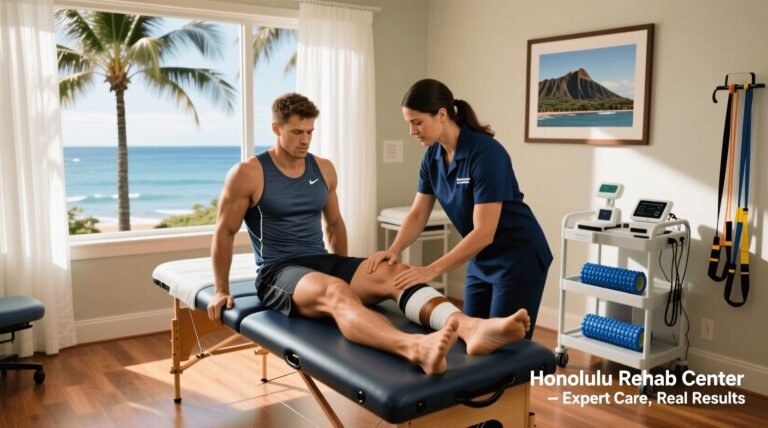
Foam rolling and massage therapy have become increasingly popular in the US fitness community and for good reason. These techniques help break up adhesions in the fascia (connective tissue surrounding muscles) and improve circulation to affected areas, speeding up recovery from muscle stiffness and aches.
Over-the-counter anti-inflammatory medications like ibuprofen or naproxen sodium can be helpful for short-term relief. However, for more persistent or severe cases of muscle tightness and discomfort, a physician may sometimes recommend prescription oral medication options.
When Prescription Medication May Be Considered
In cases of significant muscle rigidity or acute musculoskeletal pain that does not respond to rest and over-the-counter remedies, a healthcare provider may evaluate whether prescription treatment is appropriate. One option that physicians in the United States sometimes discuss is carisoprodol, a skeletal muscle relaxant that works on the central nervous system to help relieve the discomfort associated with acute muscle conditions.
CarisoprodoCarisoprodol is sold under the brand name Soma and is also available as a generic medication through licensed pharmacies. One common formulation discussed in clinical settings is Pain O Soma 500 mg tablets, which contains carisoprodol as the active ingredient. It is important to note that this drug is classified as a Schedule IV controlled substance under the Controlled Substances Act in the United States, meaning it has recognized potential for dependence and is available only through a valid prescription from a licensed healthcare provider.
As a skeletal muscle relaxant, carisoprodol is typically prescribed for short-term use — usually no longer than two to three weeks — as an adjunct to rest, physical therapy, and other conservative measures for the treatment of acute, painful musculoskeletal conditions. It is not designed for long-term use and carries risks including drowsiness, dizziness, and the potential for dependence with extended use. Only a qualified medical professional can determine whether this or any oral medication is appropriate for your specific situation.
This information is shared purely for educational purposes. If you believe your muscles feel tight in a way that is beyond normal exercise soreness, or if the sensation of muscle tightness is interfering significantly with your daily life, please consult a doctor rather than self-medicating.
Lifestyle Changes That Help Long-Term
Preventing chronic muscle stiffness and aches requires more than just warming up before workouts. A holistic approach to your daily lifestyle can make a tremendous difference. Prioritizing 7 to 9 hours of quality sleep each night gives your muscles the time they need to repair. Eating a diet rich in anti-inflammatory foods — think leafy greens, fatty fish, nuts, and berries — helps combat the internal inflammation that contributes to muscle soreness and tightness.
Regular stretching throughout the day, even just for a few minutes every hour if you work a desk job, can prevent the kind of sustained shortening of muscles that leads to the sensation of muscle tightness that many office workers experience. Yoga and Pilates have both shown strong evidence for reducing chronic muscle tension when practiced consistently. And if you have not already made hydration a priority, start today — aim for at least half an ounce of water per pound of body weight each day.
Conclusion
Muscle stiffness after exercise is one of the most universal experiences among active people, but it is far from inevitable at the level most people accept. A consistent, well-structured warm-up routine is your most powerful tool for reducing post-exercise tightness, preventing injury, and keeping your body moving freely. Understanding what causes tight muscles all over body — from dehydration to poor sleep to skipped warm-ups — empowers you to address stiffness at its source rather than just managing symptoms.
For everyday Americans committed to an active lifestyle, the investment of 8 to 10 minutes in a proper warm-up is one of the smartest things you can do for your long-term fitness and comfort. And when stiffness does occur despite your best efforts, a combination of hydration, active recovery, and smart self-care techniques can get you back on your feet quickly. For more serious cases of muscle rigidity or persistent discomfort, always turn to a licensed healthcare provider who can evaluate your unique situation and guide you toward safe, appropriate treatment options.
Take care of your muscles — they carry you through every moment of your life.
Disclaimer
This content is for general informational purposes only and does not constitute medical advice, diagnosis, or treatment. Information regarding medications, including carisoprodol (Soma) and Pain O Soma 500 mg tablets, is provided for educational purposes only. Always use prescription medicines under the supervision of a licensed healthcare professional and consult a qualified provider before making any medical decisions.